

With increasing attention toward sustainable materials and environmentally responsible manufacturing, many industries are looking for plastic solutions that combine performance and recyclability. HDPE film (high-density polyethylene film) is one of the widely used plastic film materials that has attracted attention due to its durability, versatility, and recycling potential.
So, is HDPE film recyclable? The answer is yes.
1. What Is HDPE Film?
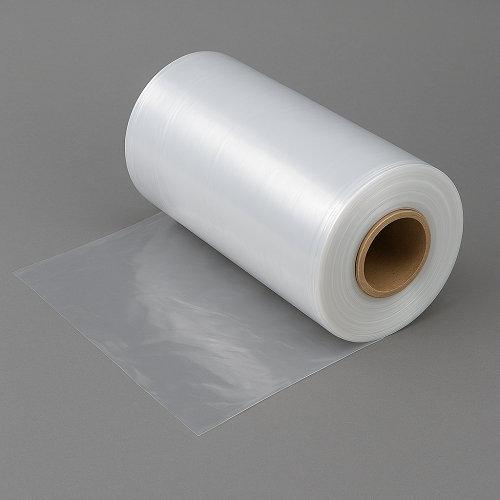
HDPE film is a plastic film manufactured from high-density polyethylene resin. As a type of polyethylene material, HDPE has a dense molecular structure that provides good strength, durability, and resistance to moisture and many chemicals.
Compared with some other plastic film materials, high-density polyethylene film offers a balance between performance and material efficiency. It can be produced in different thicknesses, widths, and formats to meet various application requirements.
Common forms of HDPE film include:
-
HDPE Film Roll
-
Industrial HDPE Film
-
Packaging HDPE Film
-
Custom HDPE Film
Because of its reliable properties, HDPE film is widely used in industries that require protective and functional film solutions.
2. Can HDPE Film Be Recycled?
Yes, HDPE film can be recycled when it is properly collected, sorted, and processed through suitable recycling facilities.
HDPE is classified as a recyclable plastic material. During the recycling process, used HDPE film can be cleaned, processed, and converted into recycled polyethylene that may be used to produce new plastic products.
The recycling process of HDPE film generally includes:
2.1 Collection
Used HDPE film is collected from industrial, commercial, or consumer sources.
2.2 Sorting and Cleaning
The material is separated from other plastics and contaminants to improve recycling quality.
2.3 Processing
The cleaned HDPE material is processed into recycled plastic pellets or other reusable forms.
2.4 Reuse in Manufacturing
Recycled HDPE can be used to produce new plastic products and materials.
The actual recyclability of HDPE film depends on factors such as contamination levels, recycling infrastructure, and local waste management systems.
3. Environmental Benefits of HDPE Film
3.1 Material Efficiency
One important environmental advantage of HDPE film is its lightweight structure. Its ability to provide effective protection while using relatively low material volume can help improve packaging efficiency.
For industries that use large quantities of packaging materials, lightweight HDPE film rolls can enable more efficient transportation and storage.
3.2 Recyclable Material
As a recyclable polymer, high-density polyethylene film can contribute to circular material systems when properly managed.
Recycling HDPE film helps reduce the demand for new raw materials and supports the reuse of valuable plastic resources.
3.3 Long Service Life
Durability is another important sustainability factor. High-strength HDPE film can provide reliable performance during use, helping reduce the need for frequent replacement in certain applications.
A longer service life can contribute to more efficient material utilization.
3.4 Versatile Applications
The wide range of applications for HDPE film also supports material efficiency. Instead of using different materials for different protection needs, one type of versatile film can be adapted for multiple industries.
-
Applications include:
-
Industrial packaging
-
Product protection
-
Agricultural covering
-
Construction protection
-
Manufacturing applications
4. How Can HDPE Film Be Recycled More Effectively?
To improve the recycling value of HDPE film, proper handling and collection are important.
Businesses using Industrial HDPE film can support recycling by:
-
Keeping HDPE film separate from other waste materials
-
Reducing contamination from oils, chemicals, or mixed plastics
-
Working with appropriate recycling partners
-
Choosing recyclable film solutions from reliable suppliers
For manufacturers and customers, selecting a professional HDPE film Manufacturer can also help ensure consistent material quality and better recycling compatibility.
5. HDPE Film and Sustainable Industrial Solutions
As industries continue to focus on sustainability, HDPE film remains an important material option because it combines functionality with recycling potential.
Modern applications require materials that are not only strong and reliable but also support responsible resource management. High-density polyethylene film meets these needs by offering durability, flexibility, and recyclability.
Whether used for packaging, industrial protection, agriculture, or customized applications, HDPE film provides a practical solution for companies looking to balance performance and environmental responsibility.
6. Conclusion
Can HDPE Film Be Recycled?
The answer is: Yes. HDPE film is a recyclable plastic film material with valuable recycling potential. Through proper collection, sorting, and processing, it can be reused to manufacture new plastic products.
With its excellent durability, lightweight properties, moisture resistance, and recyclability, HDPE Film will continue to play an important role in sustainable industrial applications in the future.
Choosing high-quality HDPE film, HDPE film roll, industrial HDPE film, and custom HDPE film can not only meet product protection requirements but also support more environmentally friendly and sustainable material management practices.