

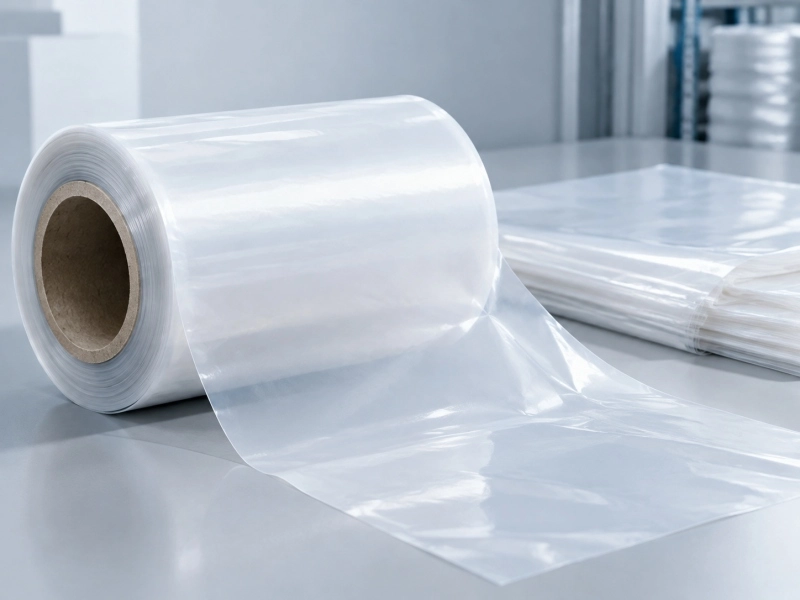
High-density polyethylene (HDPE) is a widely used thermoplastic known for its good chemical resistance, relatively high stiffness, toughness, and low water absorption. Depending on the resin grade and processing method, HDPE plastic can be manufactured into films, pipes, containers, sheets, and industrial components. HDPE film is widely used in shopping bags, industrial packaging, and other flexible packaging applications.
What Are the Common Uses of HDPE?
1. Packaging and Containers
HDPE is commonly used to manufacture detergent bottles, cleaning product containers, certain food containers, caps, and plastic storage crates. Its stiffness and chemical resistance make it suitable for many packaging applications. However, suitability depends on the material grade, chemical compatibility, and applicable food-contact regulations.
2. Pipes and Construction
HDPE pipes are used in water supply, drainage, gas distribution, and cable protection systems. Their corrosion resistance and toughness make them suitable for various engineering environments. When selecting HDPE pipes, consider the pipe specifications, pressure rating, operating temperature, conveyed medium, and applicable industry standards.
3. HDPE film for Flexible Packaging
HDPE film is commonly used in shopping bags, grocery bags, certain industrial packaging applications, and packaging liners. Its stiffness and mechanical properties can meet different packaging requirements, but actual performance depends on the resin grade, film thickness, processing method, and film structure.
For applications involving printing, lamination, or automated packaging, additional factors such as surface properties, heat-sealing performance, and equipment compatibility should also be evaluated.
4. Industrial Products and Everyday Items
HDPE is also used in trash bins, storage containers, pallets, toys, and selected automotive components. These products are manufactured using processes such as injection molding, blow molding, and extrusion. Material selection depends on product design, load requirements, chemical exposure, and operating conditions.
Common HDPE Products and Their Applications
What Factors Affect HDPE Film Performance?
The performance of HDPE film depends not only on the resin properties but also on film thickness, processing conditions, and the intended operating environment. The following factors are particularly important when selecting a film.
1. Film Thickness and Mechanical Properties
Thickness affects film stiffness, load-bearing capacity, and puncture resistance. However, thickness alone does not determine overall performance. The appropriate specification should be based on package weight, transportation conditions, and the risk of tearing or puncture during handling.
2. Processing Methods and Film Structure
Extrusion conditions, formulation, and film structure can affect uniformity, strength, and processing performance. If HDPE film will be printed, laminated, heat-sealed, or used in high-speed packaging equipment, confirm its compatibility with the intended production process.
3. Operating Environment and Protection Requirements
Temperature, UV exposure, chemical contact, and storage conditions can affect film performance. For outdoor packaging or specialized industrial applications, verify suitability under actual operating conditions rather than assuming that standard HDPE film provides long-term weather resistance or specialized barrier properties.
How to Choose the Right HDPE Film
When sourcing HDPE film, start by defining the end use and then evaluate the following requirements:
- Packaging needs: Identify package weight, transportation conditions, and moisture protection requirements.
- Performance specifications: Evaluate tensile strength, tear resistance, and puncture resistance based on expected loads and handling conditions.
- Processing requirements: Confirm compatibility with printing, lamination, heat sealing, and automated packaging equipment.
- Compliance requirements: For food-contact applications, verify applicable regulations and request relevant compliance documentation from the supplier.
- Sample testing: Conduct packaging or production trials to confirm that the film meets the intended performance requirements.
HDPE is also a commonly recyclable plastic. However, the practical recyclability of HDPE film depends on local recycling infrastructure, material composition, and contamination levels.