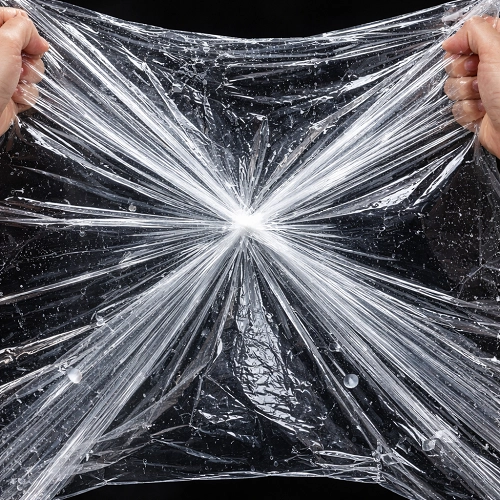

Tear-resistant strong film has become an indispensable material across industries—from packaging and construction to aerospace and medical applications. Its remarkable durability, flexibility, and engineered performance make it a go-to solution wherever materials must withstand harsh conditions, mechanical stress, or extended use.
1. What Is Tear-Resistant Strong Film?
At its core, tear-resistant strong film refers to thin polymeric sheets engineered to resist tearing and mechanical failure under stress. Unlike ordinary plastic films, these materials combine high tensile strength with flexibility, enabling them to stretch under load rather than propagate cracks when punctured or abraded.
From an engineering perspective, tear-resistant films are characterized by:
- High tensile strength
- Resistance to tear propagation
- Good puncture resistance
- Dimensional stability
- Flexibility at varied temperatures
These films may be mono-layer or multi-layer composites, incorporating reinforcing fibers, specialized additives, and advanced polymer blends to achieve enhanced properties.
2. Core Materials and Polymer Chemistry
The performance of tear-resistant strong films starts with their base polymers. Common materials include:
a. High-Density Polyethylene (HDPE)
HDPE offers a balance of toughness and affordability. Its high crystallinity imparts strength and rigidity, especially for thicker films like industrial liners and heavy-duty bags.
b. Linear Low-Density Polyethylene (LLDPE)
LLDPE is widely used for stretch films and packaging wraps due to its excellent tear resistance and flexibility. The short chain branching in its molecular structure enhances tear resistance over LDPE.
c. Polypropylene (PP)
PP delivers high tensile strength and good thermal resistance. It’s often used in woven or laminated film formats where strength and temperature performance matter.
d. Polyester (PET)
PET films are known for exceptional mechanical strength, chemical resistance, and dimensional stability. While less flexible than polyethylene, PET’s tear resistance and clarity make it valuable for technical and optical applications.
e. Polymer Blends and Copolymers
By blending polymers (e.g., PE/PP blends, PE with elastomers), manufacturers can tailor properties—achieving combinations of strength, flexibility, and environmental resistance that single polymers alone cannot.
3. Reinforcement Techniques and Composite Structures
To further enhance mechanical performance, tear-resistant films often incorporate reinforcement strategies:
a. Multi-Layer Co-Extrusion
Films with multiple layers of different polymers combine the best characteristics of each material—e.g., an outer tough layer with a ductile inner layer, resulting in both tear resistance and flexibility.
b. Fiber Reinforcement
Embedding microfibers (e.g., fiberglass or polypropylene fibers) within the film matrix can significantly improve tear and tensile strength.
c. Laminates
Laminating films with textiles or other structurally strong materials creates hybrid products used in industrial applications like geomembranes and protective covers.
d. Additives and Fillers
Impact modifiers, UV stabilizers, and anti-oxidants improve performance under environmental stress while fillers like nanoclays can enhance barrier and mechanical properties.
4. Mechanical Properties and Performance Metrics
When selecting or specifying tear-resistant films, several key technical properties define their performance:
| Property | Definition |
| Tensile Strength | Maximum stress the film can withstand while being stretched. |
| Elongation at Break | The extent a film can stretch before breaking. |
| Tear Resistance | Resistance to tear propagation from a cut or notch. |
| Puncture Resistance | Ability to resist penetration by sharp objects. |
| Modulus of Elasticity | The stiffness of the film material. |
| Impact Strength | Resistance to sudden force or impact. |
Tear resistance in particular is often evaluated using standardized test methods such as:
- ASTM D1004 (Elmendorf Tear Test)
- ISO 6383-2 (Tear resistance of plastic films)
- ASTM D1922 (Propagating tear resistance)
These tests measure tear force and energy required to propagate a tear under controlled conditions.
5. Thermal and Environmental Performance
Real-world applications expose films to temperature variation, sunlight, moisture, and chemicals. Important performance factors include:
a. Temperature Range
High-performance films maintain mechanical integrity across broad temperatures—critical for outdoor, cold-storage, or high-heat environments.
b. UV Resistance
Ultraviolet stabilizers reduce degradation from sunlight exposure, extending service life in outdoor applications.
c. Chemical Resistance
Resistance to acids, oils, solvents, and other chemicals ensures reliability in industrial environments.
d. Moisture and Gas Barrier Properties
For packaging applications, barrier performance against moisture and oxygen directly affects product shelf life.
6. Common Applications
Tear-resistant strong films are adopted across many industries:
a. Packaging
- Heavy-duty shipping bags
- Stretch and pallet wrap
- High-value product protection
b. Industrial and Construction
- Geomembranes and vapor barriers
- Protective covers and tarps
- Reinforced liners and containment films
c. Automotive and Aerospace
- Protective masking during painting
- Lightweight structural films in components
d. Medical and Hygiene
- Sterile packaging
- Surgical drapes requiring tear resistance
e. Consumer Goods
- Durable trash bags
- Protective wraps for electronics and furniture
7. Manufacturing Processes
Common manufacturing techniques influence film properties:
a. Blown Film Extrusion
Produces films with good balance of strength and flexibility due to biaxial orientation.
b. Cast Film Extrusion
Yields films with excellent thickness control and surface quality.
c. Co-Extrusion
Multiple layers are formed simultaneously, enabling composite films with tailored performance.
d. Calendering
Involves pressing the polymer melt through rollers to achieve precise thickness and surface texture.
8. Selecting the Right Film for Your Needs
Choosing the ideal tear-resistant film requires careful consideration of:
- Load requirements—static vs. dynamic loads
- Environmental exposure—UV, temperature, chemicals
- Barrier needs—moisture, gases
- Regulatory requirements—food contact, medical grade
- Cost constraints—balance between performance and budget
Consulting with manufacturers and reviewing technical datasheets can ensure material compatibility with your application’s demands.
9. Future Trends and Innovations
The field of tear-resistant films continues to evolve with trends including:
- Biodegradable and compostable high-strength films
- Nanocomposite enhancements
- Smart films with embedded sensors
- Recycled and circular material designs
These innovations aim to balance performance with sustainability and functionality.
Tear-resistant strong film is a high-performance material engineered for durability, flexibility, and resilience. Its diverse material compositions, reinforcement strategies, and manufacturing methods allow it to meet the demanding needs of multiple industries. By understanding the technical properties and application requirements, engineers, designers, and buyers can make informed decisions that optimize performance and cost effectiveness.